Medical coding is the one thing that healthcare providers can’t afford to get wrong in 2026. It’s an administrative task happening behind the scenes, but accurate coding is the foundation of your revenue cycle. Even if a single mistake causes your payments to be delayed, audits to be initiated, or claims to be rejected, you cannot accept the risk. And no practice has time or money to waste on fixing avoidable mistakes.
That’s why accuracy in medical coding becomes a strength with the correct strategy, resources, and support rather than a continual headache.
Let’s discuss everything you need to know about accurate medical coding in 2026, from best practices and modern tools to smart strategies that help you maximize revenue and minimize errors.
Why Accurate Medical Coding Matters
As time passes, healthcare has changed a lot. More strict payer requirements and rules are implemented and then increasing coding complexities in 2026 make it harder. And coding has a great impact on your overall billing operations. That’s why medical coding accuracy matters so much. Let’s show you how.
Direct Impact on Revenue
A medical billing code is more than just a five-digit number. Every code you submit provides information on the patient’s health and the treatment they received. Additionally, insurers won’t pay or would pay less than they should if the story is inaccurate or incomplete. That’s why coding greatly impacts your revenue.
Increased Scrutiny from Payers
As insurance companies are very strict about accuracy. They use smarter systems to identify inconsistencies. And even a minor mismatch between diagnosis and procedure codes here can cause denials.
Compliance and Audit Risks
When companies face denials or inaccuracies in coding, audits can be triggered. Most of the time, it can lead to fines or even legal problems. That’s why accurate coding helps you to avoid all of these problems.
Faster Claims Processing
As inaccuracy causes denials and payment delays, cleaner claims get processed faster. This results in improved cash flow and reduced time spent chasing payments.
That’s why precise coding is more important for maintaining the financial stability of your firm than it is for compliance.
The Biggest Medical Coding Challenges Practices Face Today
Constantly Changing Guidelines
Coding updates happen every year. New codes are added, old ones are revised, and guidelines are also changed. And keeping up with all these changes can feel like a full-time job, which is difficult for everyone to manage.
Complex Documentation Requirements
Providers often don’t document everything coders need. So any missing details here can lead to guesswork and guesswork always leads to errors.
Staffing Shortages
Experienced coders are in high demand. Many practices face difficulties in hiring and retaining skilled professionals. For this reason, employing coders also becomes a challenge for practices.
Time Pressure
In medical billing services, time is also important. You have to submit the claim on time, and it can be challenging sometimes to maintain accuracy when your staff is rushing to submit claims.
Denials and Rework
Incorrect codes lead to denied claims, which means more work, delayed revenue, and frustrated staff. More time and more money are consumed on appeals and follow-ups.
These issues are common for all practices, but they can all be resolved with the right strategy and professional coders.
Tools That Are Transforming Medical Coding in 2026
Technology is changing the game and if you’re not using the right tools, it means your practice cannot compete with other competitors and will face difficulties reaching that level. That’s why here are some tools you must use for modern medical coding.
AI-Powered Coding Software
Artificial intelligence is helping coders work faster and more accurately.
These tools can:
- Suggest codes based on documentation
- Flag potential errors
- Ensure compliance with guidelines
- Reduce manual work
They’re not replacing coders but they’re making them way more efficient.
Computer-Assisted Coding (CAC) Systems
CAC systems evaluate clinical documentation and provide suitable codes.
Advantages consist of:
- Faster coding
- Increased accuracy
- Decreased workload
This is especially helpful for high-volume practices.
Integrated EHR and Billing Systems
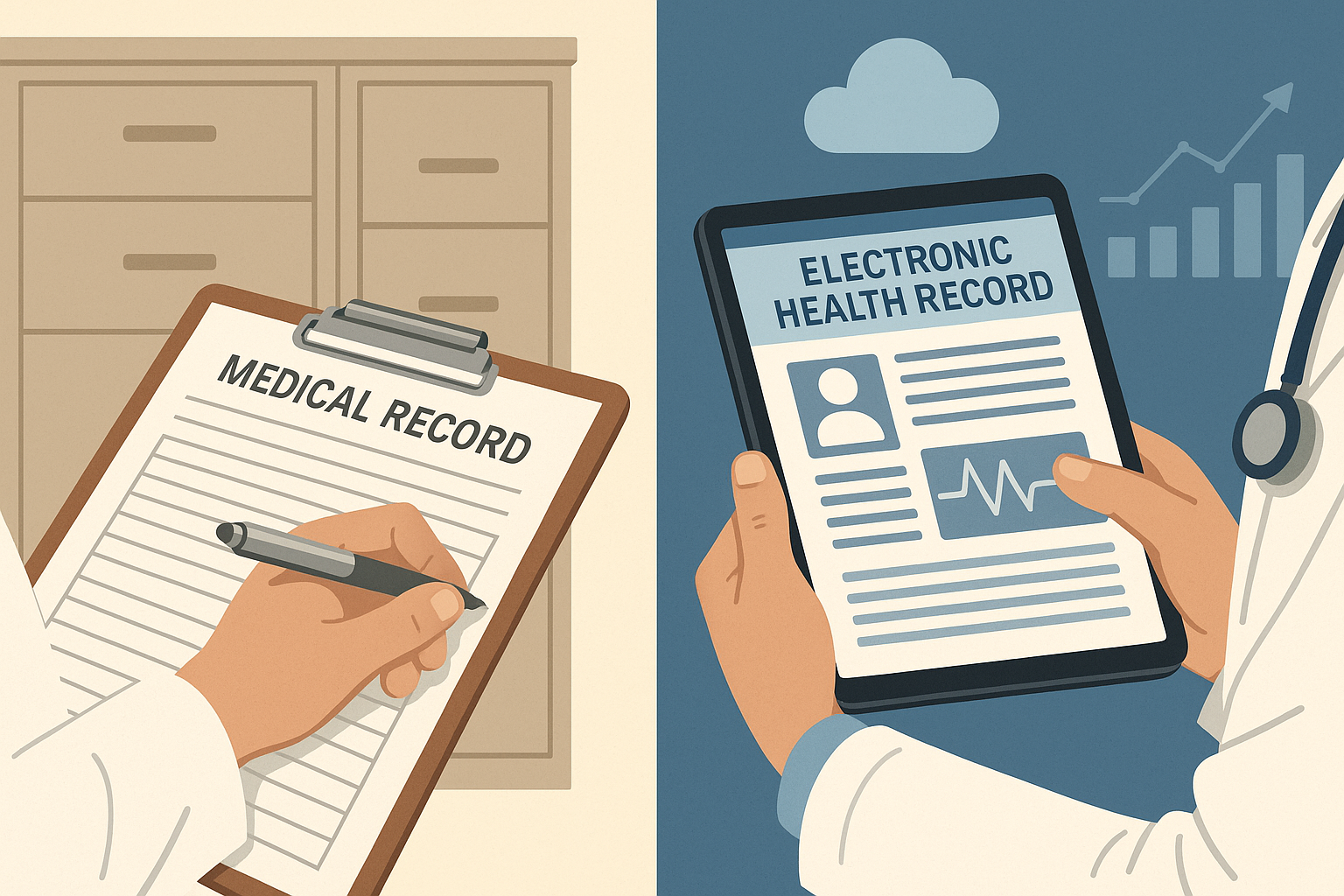
When your EHR and billing systems work together, everything becomes smoother.
Look for systems that:
- Auto-populate coding fields
- Reduce duplicate data entry
- Provide real-time error checks
Integration minimizes human error and saves time.
Denial Management Tools
You can monitor, evaluate, and resolve rejected claims with the use of these tools.
They help you:
- Determine the typical grounds for denial
- Make recommendations for corrective actions
- Avoid errors in the future
Denial management and denial prevention are equally crucial in 2026. So focus on denial management that helps to prevent denials in the future.
Compliance Monitoring Software
Be prepared for audits by using technologies that:
- Check the accuracy of the coding
- Monitor compliance indicators
- Create audit reports.
These techniques lower risk and provide you with peace of mind.
Best Practices for Accurate Medical Coding in 2026
Let’s see how to improve coding accuracy and billing operations. These best practices can help you clean up your coding process and avoid costly mistakes.
Prioritize Detailed Clinical Documentation
Coding is only as good as the supporting documentation. Denials can result from incomplete documentation. So encourage providers to:
- Make an accurate diagnosis.
- Add severity, location, and laterality.
- Clearly document each process.
- Steer clear of confusing phrasing that can mislead payers.
Coders will find it easier to assign correct codes if the documentation is more detailed and complete. The best tip here is to implement regular documentation training sessions for providers.
Stay Updated with Coding Changes
Coding systems evolve every year, and 2026 also comes with new updates.
Make sure your team:
- Reviews the annual updates
- Participates in training sessions or webinars
- Subscribes to coding newsletters
- Uses software or updated coding manuals
One of the quickest ways to increase mistakes is to fall behind on updates.
Conduct Regular Coding Audits
Audits are just like your safety net. Conduct your regular audits as internal audits help you:
- Catch errors early
- Identify patterns of mistakes
- Improve medical coding accuracy over time
You don’t need to audit every claim but reviewing a sample regularly can have a big impact on improving your billing operations.
Use Standardized Coding Protocols
Consistency is the most important factor in medical billing services.
Create clear guidelines for:
- Common procedures
- Frequently used codes
- Modifier usage
- Documentation requirements
When everyone follows the same rules, you reduce confusion and errors.
Invest in Ongoing Training
Even experienced coders need continuous learning.
Provide:
- Monthly training sessions
- Access to updated resources
- Certification support
- Case-based learning opportunities
The more confident your team is, the fewer mistakes they’ll make.
Improve Communication Between Providers and Coders
Miscommunication is the root cause of many coding errors in medical billing.
Encourage:
- Open communication between coders and providers
- Quick clarification processes
- Feedback loops to enhance documentation
Accuracy naturally increases when your team collaborates.
Strategies to Maximize Revenue Through Accurate Coding
Now you have medical coding best practices 2026 and best tools but how to implement them? That’s where you need strategies to make sure you’re getting paid what you deserve.
Capture Every Billable Service
Missed charges mean lost revenue. Make sure your team:
- Reviews documentation thoroughly
- Identifies all billable services
- Uses the right modifiers
Even small missed charges can add up over time.
Avoid Under-Coding and Over-Coding
Both are not good for your practice.
- Under-coding means you lost revenue
- Over-coding always leads to compliance risk
The goal is accurate coding, not playing it safe or aggressive.
Reduce Claim Denials
Denials slow down your cash flow.
Focus on:
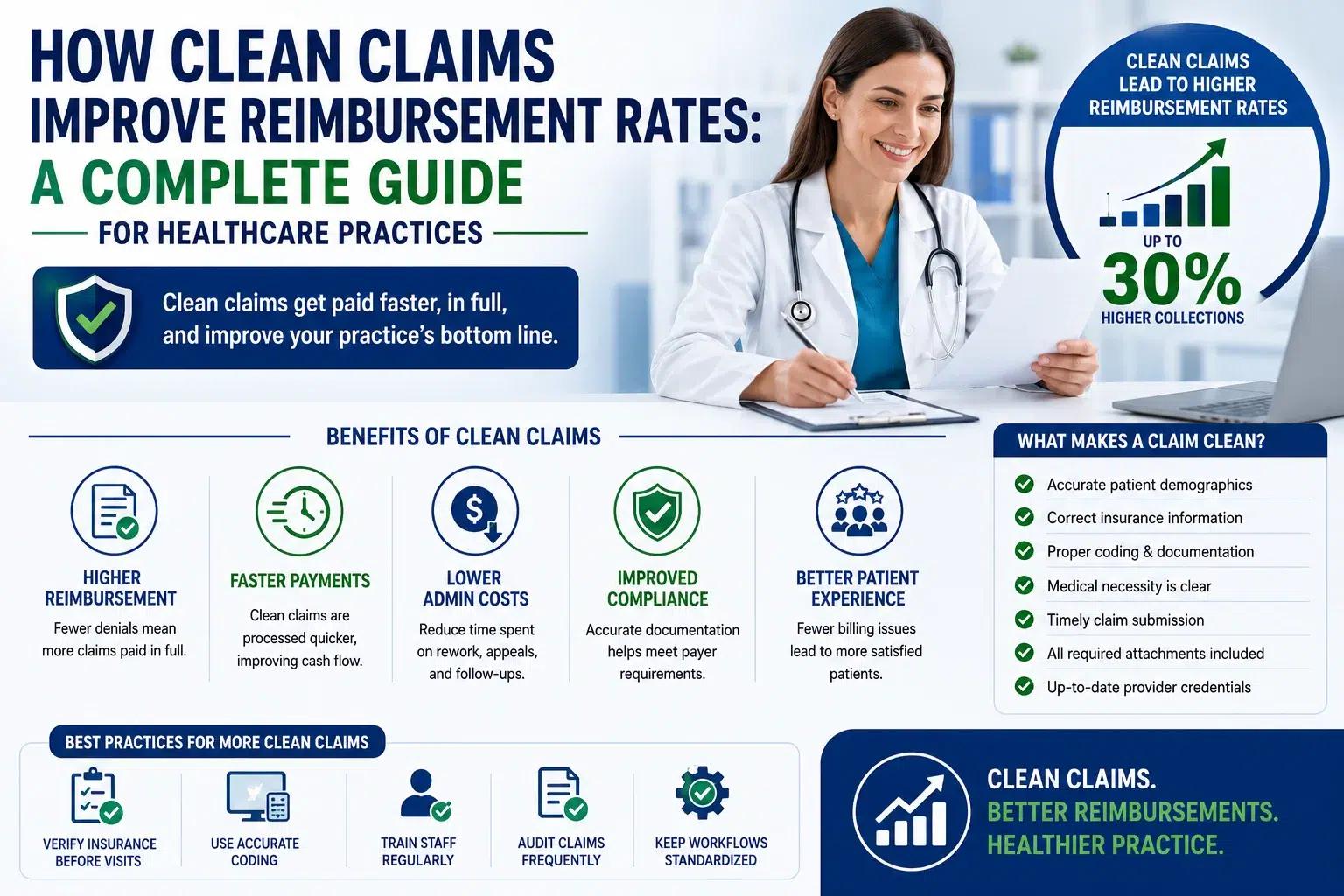
- Clean claim submission
- Correct coding the first time
- Pre-submission claim checks
When you have fewer denials, you’ll get faster payments ultimately.
Track Key Performance Metrics
Remember that when you don’t measure, you can’t improve. For this reason, monitor key metrics, including:
- Coding accuracy rate
- Denial rate
- First-pass acceptance rate
- Days in accounts receivable
These metrics tell you where you need to improve.
Outsource When It Makes Sense
Another best available option to improve coding accuracy is to outsource your medical billing services to a professional and experienced medical billing company like M&M Claims Care that gives you:
- Access to certified coders
- Up-to-date knowledge of coding changes
- Reduced administrative burden
- Improved revenue cycle performance
It’s not about losing control, it’s about gaining efficiency.
Common Medical Coding Errors (And How to Avoid Them)
According to the Centers for Medicare & Medicaid Services and guidelines from the American Medical Association, coding errors are one of the leading causes of claim denials. Let’s discuss some of the most common errors that frequently happen and how you can avoid them.
A common one is to use the wrong code for a procedure or diagnosis.
Fix: Double-check documentation and use updated coding references.
Modifiers provide important context but they’re often overlooked.
Fix: Train your team on proper modifier usage.
Sometimes intentional or accidental misrepresentation of services.
Fix: Focus on accuracy instead of just assumptions.
Using general codes even when more specific ones are available.
Fix: Prefer using detailed documentation
Simple typos can cause big problems.
Fix: Use automated tools and verify entries twice.
The Role of M&M Claims Care in Ensuring Coding Accuracy
It’s not easy for your in-house staff to manage all the billing operations and also maintain accuracy in each process, especially if your practice grows and patient volume increases. That’s why you need the best medical billing partner who manages all these billing and coding complexities.
Our team of certified coding experts understands the ins and outs of medical coding across multiple specialties. They stay fully up to date with the latest 2026 coding guidelines, so you never have to worry about missing important updates. We always prefer advanced technology and modern tools to enhance both accuracy and efficiency, which helps your practice to avoid costly mistakes and delays. Our revenue cycle management services ensure everything from coding and billing to denial management is handled with accuracy and care.
Reduce denials by 30%, get a free medical coding audit today and discover hidden revenue opportunities in your practice.